Do I Need Waterproofing Before Tiling a Bathroom?
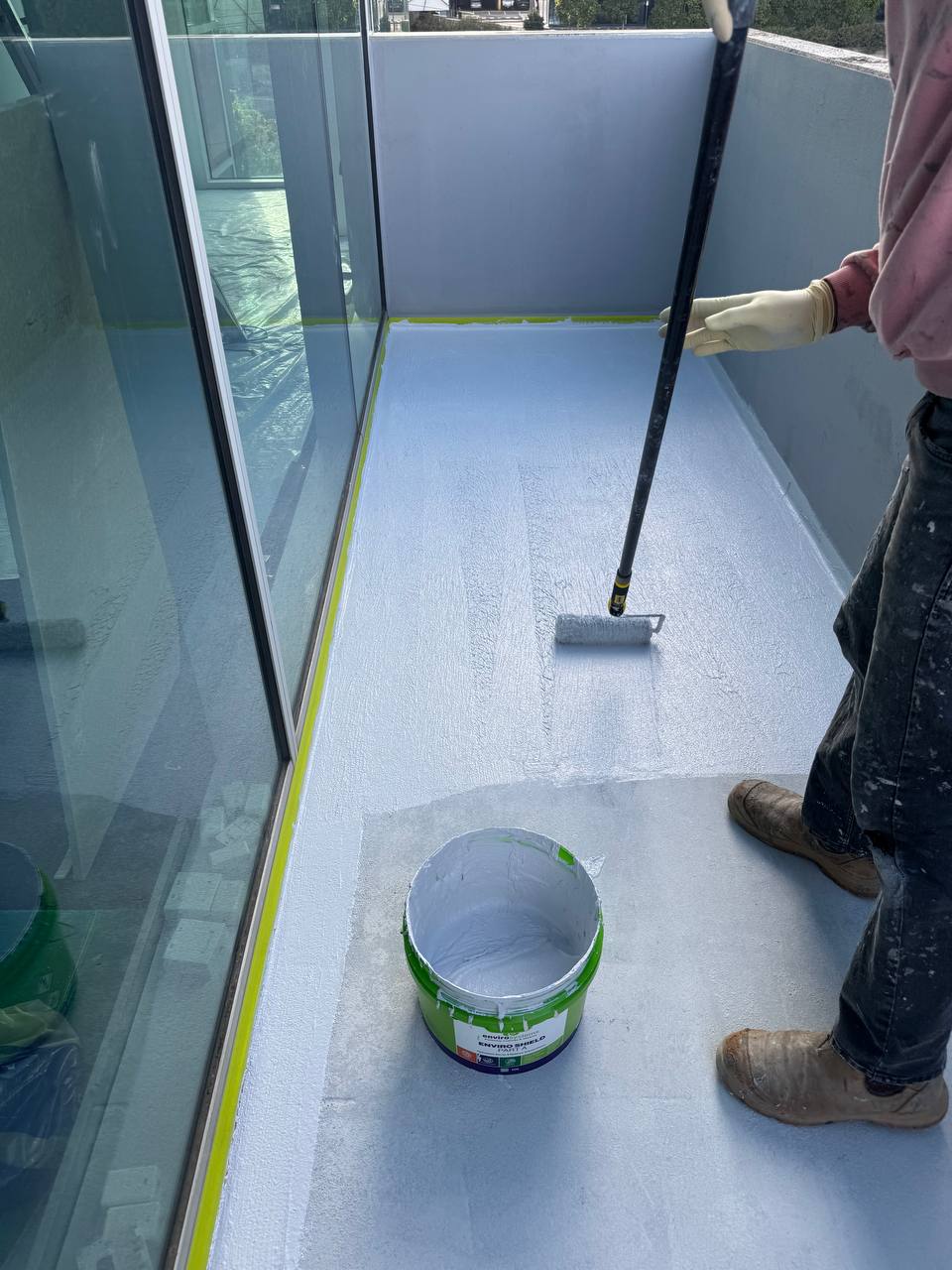
When renovating a bathroom, one of the most common questions homeowners ask is: Do I need waterproofing before tiling?
The short answer is yes—and in Australia, it is not just recommended, but often required by law.
Waterproofing forms the hidden protective layer that keeps your bathroom safe from leaks, moisture damage, and costly structural issues. Without it, even the best tiles and grout cannot stop water from seeping through.
In this article, we explain why waterproofing is essential, what Australian standards require, and how to do it right for a durable, safe bathroom renovation.
Why Waterproofing Is Required Before Tiling
Tiles themselves are not waterproof. Grout is porous, and water can easily penetrate through tiny gaps, cracks, or movement over time. Waterproofing:
1. Protects your property from water damage
Moisture can infiltrate the subfloor, walls, and structural framing, causing rot, mould, and long-term structural weakness. These repairs can cost tens of thousands of dollars.
2. Prevents mould and health issues
High moisture encourages mould growth, which can lead to poor indoor air quality and respiratory concerns.
3. Ensures compliance with Australian Building Standards
In Australia, bathroom waterproofing must meet AS 3740:2021 – Waterproofing of domestic wet areas. It requires specific locations—such as showers, floors, and wall junctions—to be waterproofed by a qualified professional.
4. Protects your investment
Proper waterproofing significantly extends the life of your tiles and reduces the likelihood of leaks or future renovations.
What Areas Need Waterproofing?
The exact requirements depend on the bathroom layout, but under AS 3740, typically:
- Shower floors: 100% waterproofing required
- Shower walls: Up to 1,800 mm high
- Bathroom floors: Waterproofing needed if located above another dwelling (e.g., apartments)
- Walls: At least 150 mm up from the floor perimeter
- Bath borders & splash zones: Around tubs and penetrations
If your bathroom is on a timber subfloor, waterproofing requirements are even more strict.
How Waterproofing Works (Step-by-Step)
Professional waterproofing usually includes:
1. Surface preparation
Cleaning, levelling, and priming the substrate for proper adhesion.
2. Sealing joints and corners
Flexible waterproof tape or bond breakers are applied to wall-floor junctions and around plumbing penetrations.
3. Applying waterproofing membrane
A liquid or sheet membrane is applied in multiple coats to create a seamless barrier.
4. Drying and curing
The membrane must dry for the recommended period—often 24 hours—before tiling begins.
5. Tiling on top
Tiles and grout go on only after the membrane is fully cured to ensure integrity.
Can I Tile Without Waterproofing?
Technically, you could, but you should never do it. Without proper waterproofing:
- Leaks are almost guaranteed over time
- Insurance may refuse claims
- It will not pass building inspections
- Your renovation warranty may be void
For Australian homes, waterproofing is essential for both safety and compliance.
When to Hire a Professional Waterproofing Specialist
Even though DIY waterproofing products exist, bathroom waterproofing should be completed by a licensed and experienced professional, especially in NSW, VIC, QLD, and ACT where certification is required.
A licensed applicator ensures:
- Compliance with AS 3740
- Proper membrane thickness
- Full coverage in critical areas
- Warranty protection
- Lower risk of future failure
Final Verdict: Yes, You Need Waterproofing Before Tiling
If you want a bathroom that lasts, stays compliant, and avoids expensive repairs, waterproofing before tiling is non-negotiable. It is one of the most important steps in any wet-area renovation, protecting your home now and into the future.